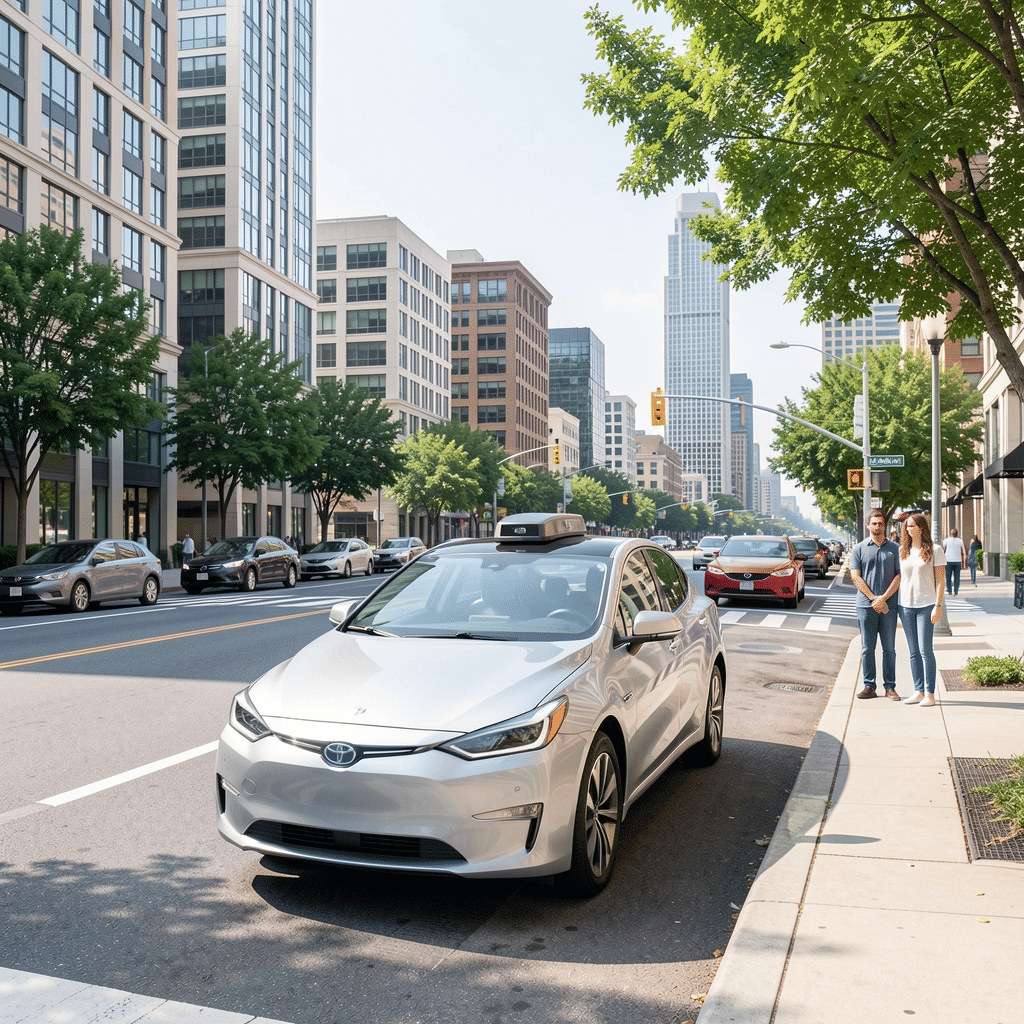
Autonomous vehicles represent a transformative shift in the transportation landscape, promising a future where travel is not only more efficient but also significantly safer. As self-driving cars edge closer to becoming a reality on our roads, it is crucial to explore the development and implications of this groundbreaking technology.
At the heart of autonomous vehicles is a sophisticated fusion of sensors, cameras, radar, and artificial intelligence. These components work together to create a detailed understanding of the car's surroundings, allowing it to navigate roads, recognize obstacles, and make informed driving decisions. Companies at the forefront of this innovation, such as Waymo, Tesla, and Uber, have invested heavily in developing cutting-edge algorithms and machine learning models to tackle the complexities of real-world driving.
Safety is among the most compelling arguments for the adoption of autonomous vehicles. Human error accounts for a significant majority of road accidents, often caused by distractions, fatigue, or impaired judgment. Self-driving cars, however, are immune to such human frailties. They are designed to operate ceaselessly, with split-second precision that dramatically reduces the risk of accidents. Additionally, the ability to communicate with other vehicles and infrastructure further enhances safety, as vehicles can anticipate and respond to potential hazards before they become critical.
Autonomous vehicles also offer the promise of increased efficiency in our transportation systems. With the ability to optimize routes in real-time, self-driving cars can reduce traffic congestion and minimize travel time. This newfound efficiency could lead to reduced fuel consumption, lower emissions, and a smaller environmental footprint. Moreover, the introduction of shared autonomous fleets could change the dynamics of urban transport, reducing the need for private car ownership and freeing up valuable city space currently reserved for parking.
However, the path to fully autonomous driving is riddled with technological, ethical, and regulatory challenges. Ensuring that self-driving systems can perform flawlessly in a myriad of unpredictable scenarios remains a significant hurdle. These systems must be able to handle everything from adverse weather conditions to unexpected pedestrian behavior. Furthermore, ethical considerations, such as decision-making in unavoidable accident scenarios, raise difficult questions about the programming of autonomous systems.
Regulatory bodies worldwide are grappling with how to integrate these vehicles into existing legal frameworks. Establishing clear guidelines and standards is essential to ensure safety and foster public trust in autonomous technology. Collaboration between technology companies, regulators, and researchers is crucial to resolve these challenges and pave the way for widespread adoption.
As we drive into tomorrow, the development of self-driving cars stands as a testament to human ingenuity and the relentless pursuit of a safer, more efficient world. While the road ahead may be long and filled with obstacles, the potential benefits of autonomous vehicles are immense. As technology continues to advance, the dream of a society where transportation is seamless, sustainable, and safe comes ever closer to being realized.