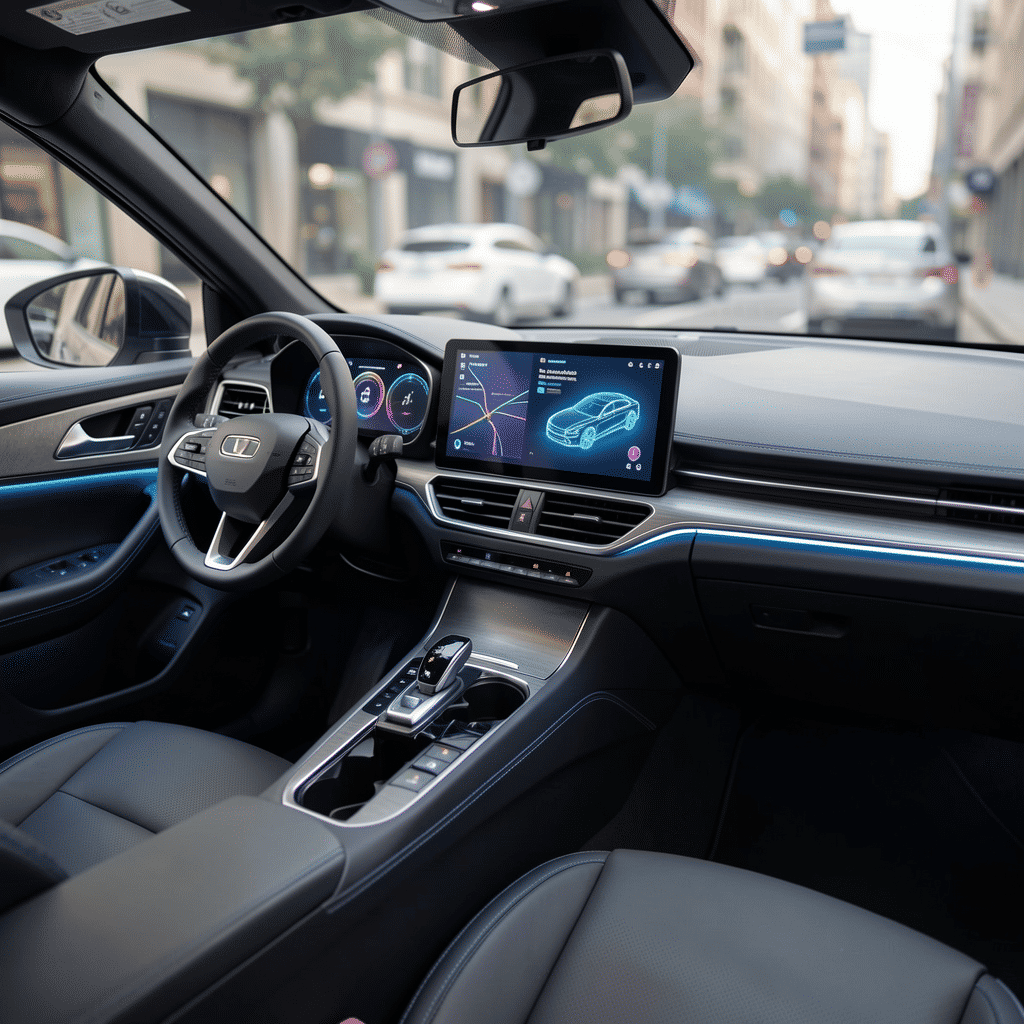
Artificial intelligence (AI) is revolutionizing the automotive industry, particularly in the realm of vehicle design. Its integration is reshaping everything from safety features to the personalization of the driving experience, marking a new era in automotive innovation.
One of AI's most significant contributions is the enhancement of vehicle safety. Through sophisticated algorithms and real-time data analysis, AI systems can predict and respond to potential hazards more efficiently than traditional methods. Advanced Driver-Assistance Systems (ADAS), such as adaptive cruise control, lane-keeping assist, and automatic emergency braking, are powered by AI. These systems continuously monitor the vehicle's surroundings and provide alerts or take corrective actions to prevent accidents. AI's ability to process vast amounts of data swiftly ensures a safer driving environment, reducing human error and enhancing overall road safety.
Beyond safety, AI is also key in personalizing the driving experience. By analyzing behavioral data, AI can adapt various vehicle settings to suit individual preferences. This includes adjusting climate control settings based on past usage patterns, suggesting optimal navigation routes, and even selecting music playlists based on the driver's previous choices. AI-equipped vehicles can learn and adapt to the habits and preferences of their users, offering a more customized and enjoyable driving experience.
Moreover, AI is facilitating the development of autonomous vehicles, which promise to redefine mobility. These self-driving cars rely on AI to interpret data from multiple sensors, such as radars, cameras, and LiDAR systems, to navigate and make real-time decisions on the road. While fully autonomous vehicles are still in the testing phase, advances in AI are paving the way for their eventual integration into everyday life, promising reduced traffic congestion and enhanced accessibility to transportation.
AI is also transforming the aesthetic and functional aspects of automotive design. Through generative design algorithms, designers can explore a broader range of design possibilities more quickly and efficiently than ever before. AI can assist in creating lightweight structures that maintain strength, optimizing aerodynamic shapes for improved fuel efficiency, and even innovating interior layouts tailored to varying consumer needs.
In the manufacturing process, AI is streamlining production by predicting maintenance needs and minimizing downtime through predictive analytics. AI-powered robots are increasingly taking on tasks such as painting, welding, and assembly, ensuring precision and consistency while reducing costs.
Despite its numerous benefits, the integration of AI in automotive design also poses challenges. Concerns over data privacy and cybersecurity must be addressed to protect users' information and prevent unauthorized access to vehicle systems. Additionally, the transition to AI-driven processes requires significant investment in infrastructure and training.
In conclusion, artificial intelligence is a crucial driver of innovation within the automotive industry, transforming the way vehicles are designed, manufactured, and experienced. As the technology continues to evolve, the potential for AI to enhance safety, personalize user experiences, and pave the way for autonomous vehicles becomes increasingly evident. The marriage of AI and automotive design promises a future where vehicles are not only smarter and safer but also more aligned with the needs and desires of their users.