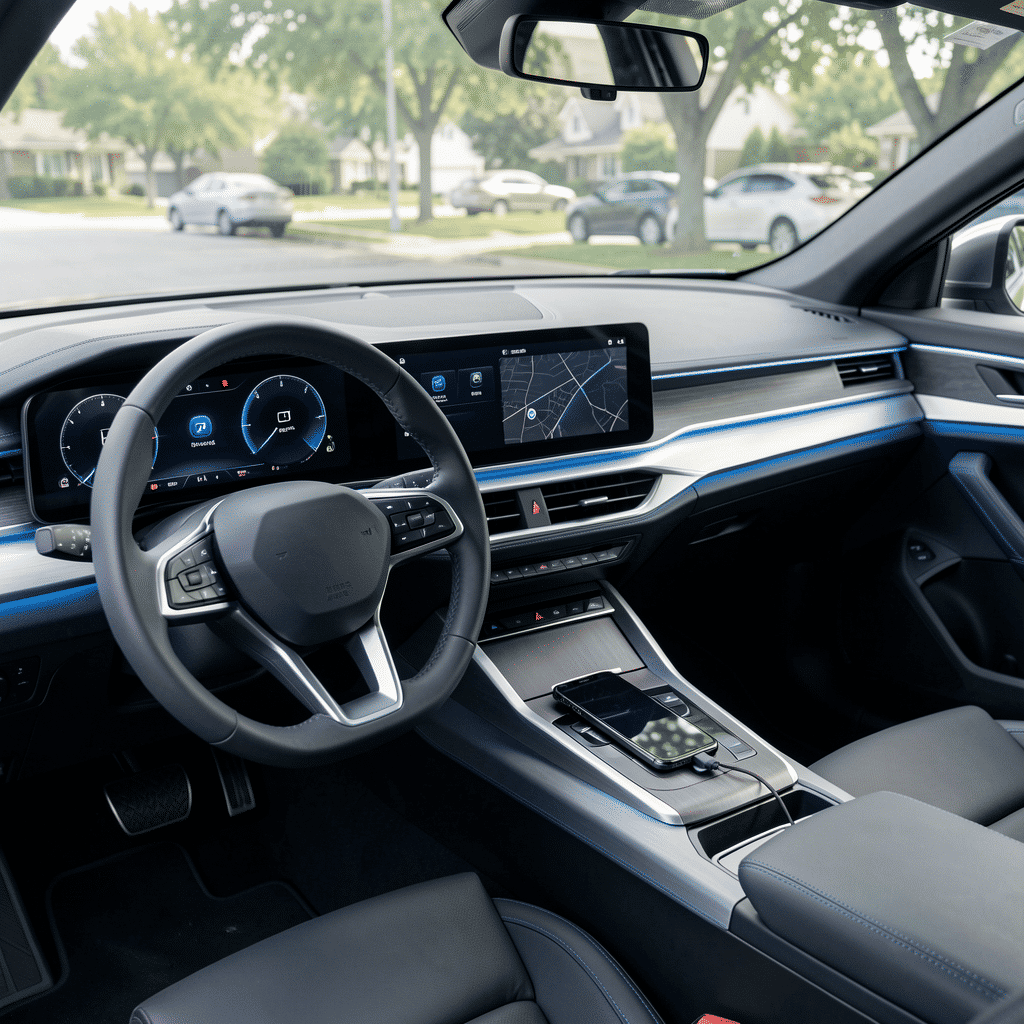
In today's fast-paced world, technology and connectivity are at the heart of our lives. Our smart devices have become indispensable, keeping us informed, entertained, and in touch with others. Bringing this connectivity into the realm of transportation, connected vehicles are revolutionizing how we interact with our cars and the road. These vehicles are not just modes of transport anymore; they are extensions of our digital ecosystem, seamlessly integrating with our daily routines and enhancing our driving experience.
Connected vehicles harness the power of advanced technology to create a networked transportation experience. From real-time navigation and traffic updates to integration with personal digital assistants, these vehicles are designed to adapt to the driver's lifestyle. Imagine your car greeting you with a personalized welcome each time you step inside, adjusting the climate control to your preferred settings and aligning your favorite playlists with a simple voice command. This is the reality that connected vehicle technology offers.
One of the most significant advantages of connected vehicle technology is its potential to improve safety on the roads. Advanced driver-assistance systems (ADAS) play a crucial role in this arena. Features such as lane-keeping assistance, adaptive cruise control, and automatic emergency braking are becoming standard, providing drivers with an extra layer of security. Moreover, vehicle-to-vehicle (V2V) and vehicle-to-infrastructure (V2I) communication are paving the way for smarter, safer intersections and roads, offering real-time alerts about potential hazards or traffic conditions.
Beyond safety, these smart vehicles enhance efficiency. By integrating with smart city infrastructure, connected vehicles can optimize routes, reducing travel time and conserving fuel. Real-time traffic data ensures that drivers take the least congested route, while smart parking solutions can guide them to available spots, minimizing time spent searching for parking.
Connectivity also enriches the entertainment and comfort of the journey. With IoT-enabled vehicles, passengers can access a variety of streaming services, browse the internet, or handle work-related tasks while on the move. This "mobile office" concept allows for better productivity and efficiency without compromising on safety or comfort.
Privacy and security are paramount in this interconnected landscape. With such integration comes the risk of data breaches and privacy concerns. Manufacturers are responding with robust encryption protocols and security measures to safeguard the data flow between vehicles and the cloud. With these measures in place, drivers can enjoy the benefits of connectivity without compromising their personal information.
Finally, connected vehicles are setting the stage for the future of autonomous driving. By developing a robust network of communication between vehicles and their surroundings, we are gradually moving towards a world where fully autonomous vehicles will become a reality. Such innovation promises not only to redefine mobility but also to contribute to a more sustainable and efficient future.
In conclusion, connected vehicle technology is transforming the way we view transportation. By ensuring seamless integration with our digital lives, these smart cars enhance the driving experience with improved safety, efficiency, and entertainment options. As technology continues to evolve, the journey we embark on in our cars will become an integral part of our connected world, leading us towards a future of intelligent mobility.