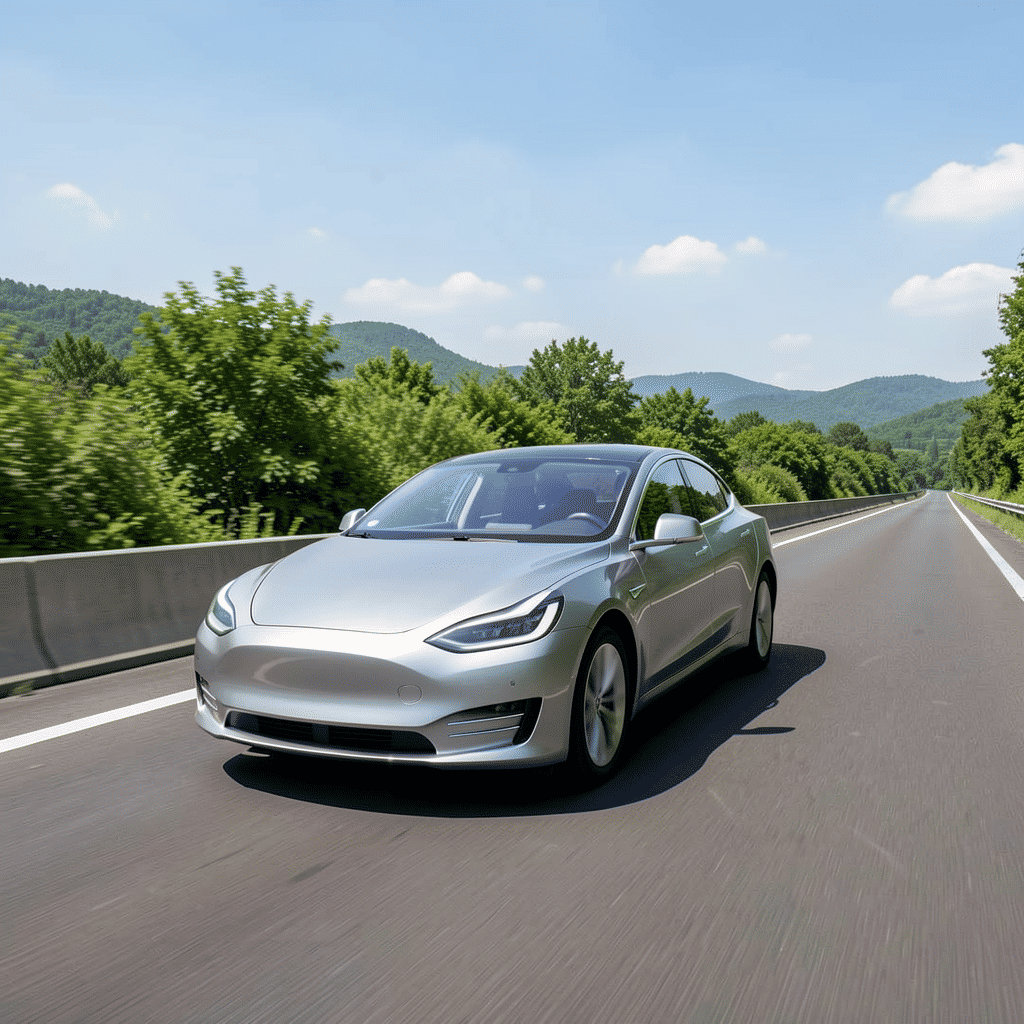
In a world striving towards sustainability, electric powertrains are revolutionizing the automotive industry, offering a driving experience that combines performance with eco-friendliness. These powertrains are not just about cutting emissions; they are about redefining how we perceive driving itself by providing a seamless and robust experience tailored for the modern driver.
At the heart of an electric powertrain is the electric motor, a marvel of engineering that delivers instantaneous torque, allowing for unparalleled acceleration and a smooth driving experience. Unlike traditional internal combustion engines, electric motors operate quietly, drastically reducing noise pollution and enhancing comfort. This immediate power response not only provides quicker acceleration but also translates to greater agility and control on the road, attributes that modern drivers increasingly seek.
Efficiency is another hallmark of electric powertrains. By converting more than 90% of the energy from the battery to the wheels, electric vehicles (EVs) outshine their gasoline counterparts, which typically achieve only about 20–30% efficiency. This superior energy conversion means that for every unit of energy harnessed, EVs can travel further, thus maximizing their range — a crucial factor for any driver concerned with convenience and cost-effectiveness.
Furthermore, the evolution of battery technology has steadily extended the range of electric vehicles, making them viable for long-distance travel without frequent stops. With ongoing advancements in battery density and charging infrastructure, the barrier of limited range is being steadily broken down. Fast-charging capabilities are improving, allowing drivers to recharge their vehicles within minutes, akin to a quick gas station stop, making long road trips more feasible and convenient.
The environmental benefits of electric powertrains extend beyond zero-tailpipe emissions. The sourcing and manufacturing processes are becoming increasingly sustainable, with greater emphasis on recycling batteries and utilizing renewable energy for production. This ensures that the eco-friendly nature of electric vehicles permeates every facet of their life cycle, reducing their overall carbon footprint.
Moreover, electric powertrains embody the forward-thinking technology that modern consumers crave. The integration of advanced software and connectivity features allows drivers to stay connected and informed. Over-the-air updates ensure that the vehicle's systems remain up-to-date without the need for routine service visits, enhancing both safety and functionality.
Lastly, the shift to electric powertrains signifies a broader transition towards smart and connected cities. By supporting infrastructure such as smart grids and synchronized traffic systems, these powertrains contribute to a cleaner and more efficient urban environment. They play a pivotal role in reducing reliance on fossil fuels, thereby making a tangible impact on reducing global greenhouse gas emissions.
In conclusion, electric powertrains are at the forefront of automotive innovation, offering a compelling blend of performance, efficiency, and sustainability. For the modern driver, they represent more than just a mode of transport; they symbolize a commitment to preserving the environment while enjoying the benefits of cutting-edge technology. As the adoption of electric vehicles continues to grow, these powertrains will undoubtedly shape the future of driving, shaping a cleaner, greener, and more efficient world for generations to come.